
The Light We Tell Stories With

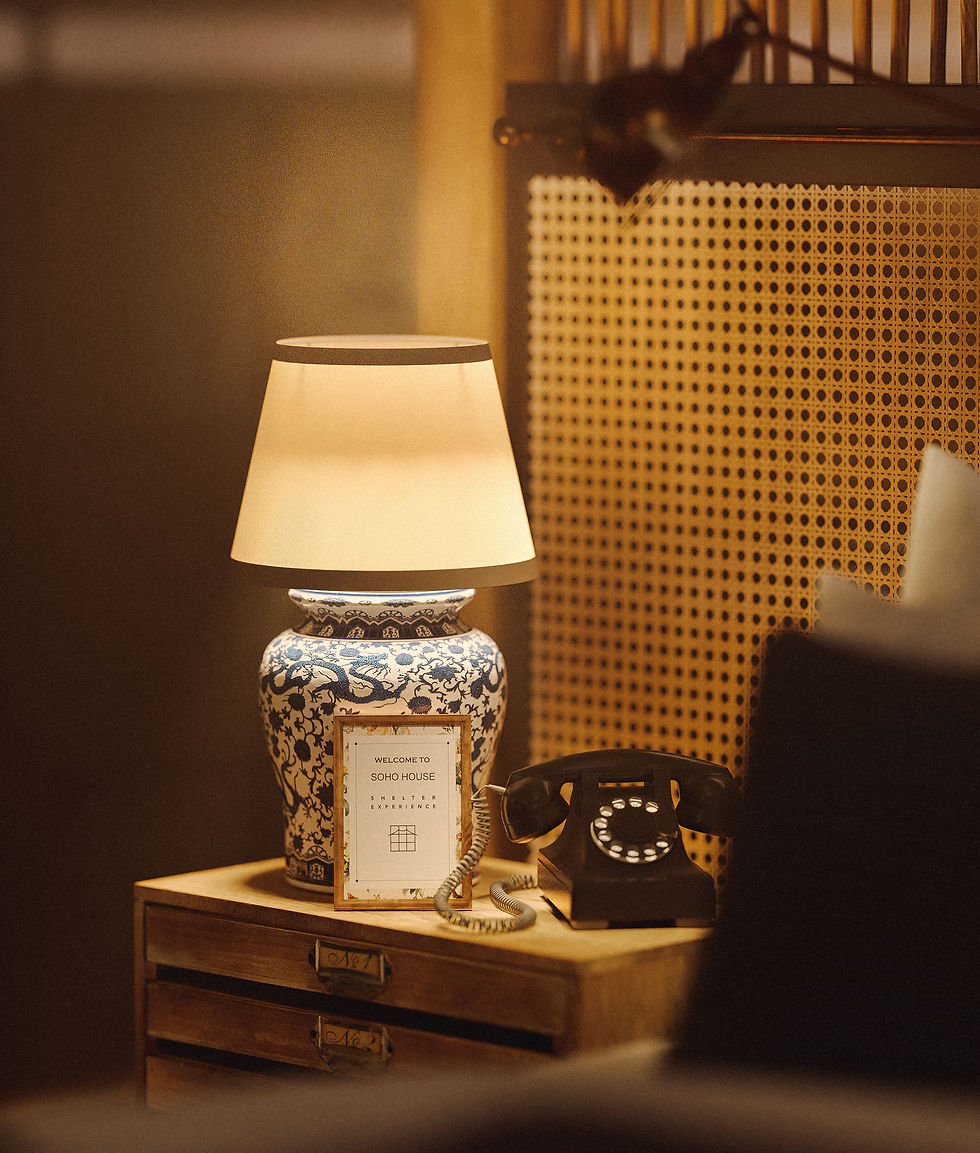
There was a time when lighting was considered after the fact — a layer added once the architecture was resolved and the furniture placed. It was utilitarian, technical, invisible.
Not anymore. Project & Visuals by Xarp Studio
Once the walls were up, the furniture placed, and the paint dry, the ceiling spots were installed — usually white, usually recessed, usually forgettable. Lighting, for decades, was treated as something technical. Functional. Occasionally decorative. Rarely emotional.
But that time is over.
Today, the most compelling interior spaces are no longer illuminated. They are composed in light.
From background to authorship
This is the era of lighting as narrative — a shift that is as conceptual as it is sensory. No longer relegated to the realm of electricians and engineers, lighting now sits at the design table from day one, alongside materiality, circulation, and form.
Architects and interior designers are treating light not just as a tool for visibility, but as a language for atmosphere, rhythm, memory, and mood.
Walk through the new MoMA galleries in New York and notice how light frames not only the paintings but the emotional tempo of each room. Step into any Edition Hotel or a Herzog & de Meuron-designed bar and you'll experience it: the way a shadow suggests privacy, the way a soft pool of amber says linger a little longer.
This is intentional lighting. And it’s everywhere.
The science is catching up
Human biology, it turns out, has always known what designers are now learning.
According to the WELL Building Institute, circadian lighting systems — which tune light intensity and colour temperature to natural biological rhythms — have been shown to improve mental clarity, productivity, and sleep regulation, particularly in workplace and healthcare environments. Studies at the Lighting Research Center in New York even suggest that thoughtful lighting design can reduce stress hormones in as little as 30 minutes.
In short: lighting doesn’t just help us see. It helps us feel.
Museums, hotels, homes — all telling stories in light
In cultural institutions, lighting guides attention with the precision of a film director’s camera. It says: look here. Pause. Feel wonder.
In luxury hospitality, it creates subtle time distortions — turning 5pm into midnight through softness and shadow. At home, a dimmed pendant over a dining table or a warm halo in a hallway can mean the difference between cold modernism and quiet comfort.
Even the simplest space becomes complex when lit well.
A wall is no longer just a surface — it’s a canvas for shadow. A window is no longer just an aperture — it’s a cinematic gesture, reframing the passing of time.
Designing with light from the sketch — not the spec sheet
Increasingly, designers are starting with light before they've drawn the first line.
They’re asking: where will light fall? How will it move at 10am, at 6pm, at 2am? They’re using reflection as ornament. They’re treating glass not as transparency, but as a filter. They’re shaping space with tone, temperature, direction, and diffusion — orchestrating a kind of visual music.
In retail and commercial spaces, layered lighting has become a code for function: ambient for gathering, task for clarity, accent for identity. In homes, we see light acting like scent — invisible but atmospheric, intimate and suggestive.
And more than ever, designers are turning to visualisation studios not to “light a render,” but to compose an emotional scene — one that translates concept into feeling before the first bulb is installed.
Because good lighting doesn’t just show you where you are. It shows you why it matters.
That’s why, at Xarp Studio, we treat light as story — obsessing not just over realism, but resonance. Whether we’re crafting a visual for a residential sanctuary or a kinetic animation for a hospitality launch, light is never just technical. It’s editorial. It’s cinematic. It’s emotional.
Because ultimately, light is what turns space into experience.
Curious how lighting can change the entire narrative of your project?
Explore our latest lighting studies and visual atmospheres.


Comments